
Why Some Graduates Get Hired Faster Than Others
Two hospitality management graduates can hold similar certificates and still have very different job search outcomes. The difference almost always comes down to demonstrable skills — what a candidate can actually do, not just what a course syllabus claims to cover. Hospitality employers across Nigeria, from independent hotels to serviced apartment operators, have become sharper about screening for real capability, especially as competition for good roles increases.
Understanding exactly what employers are screening for lets you focus your learning time where it counts, rather than spreading effort evenly across everything a course covers.
Technical Skills Employers Consistently Require
Property Management System (PMS) ProficiencyComfort navigating systems like Opera or Cloudbeds — checking guests in and out, managing reservations, running basic reports — is one of the fastest-checked skills in hospitality interviews. Employers often ask candidates to describe or even demonstrate PMS tasks directly.
OTA and Channel Management KnowledgeUnderstanding how Booking.com, Expedia, and similar platforms work — including rate parity, commission structures, and listing optimization — signals that a candidate understands modern hotel distribution, not just traditional walk-in bookings.
Basic Revenue Management LiteracyEven for non-revenue-management roles, understanding concepts like occupancy rate, ADR, and RevPAR shows a candidate can think about hospitality as a business, not just a service function.
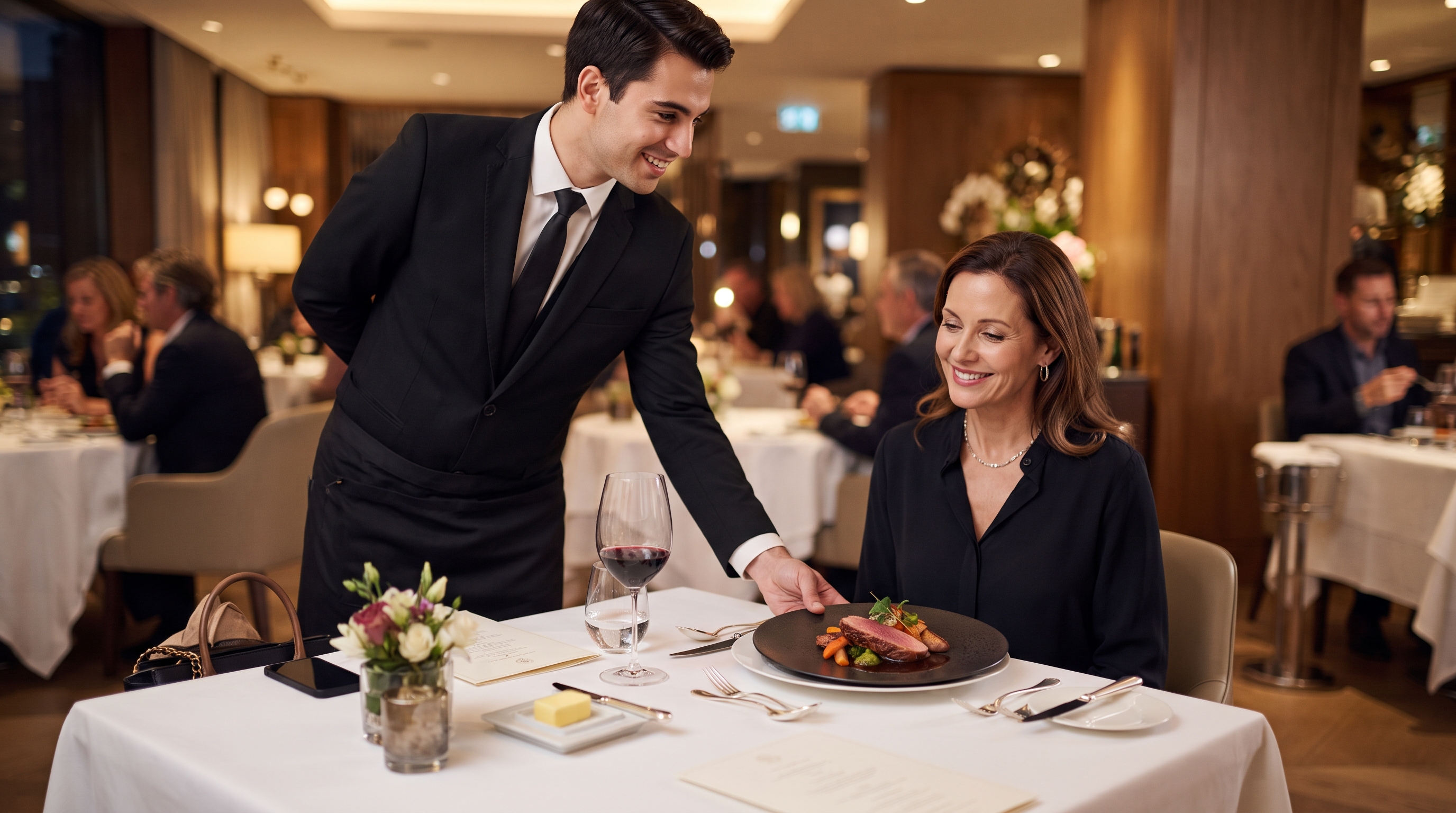
Food and Beverage Service StandardsFor roles touching F&B, employers look for familiarity with service sequences, hygiene standards, and guest interaction protocols specific to dining and beverage service.
Housekeeping and Operational Standards AwarenessEven candidates targeting front office or management-track roles benefit from understanding housekeeping SOPs and inspection standards, since cross-departmental awareness is valued in supervisory hires.
Soft Skills That Separate Strong Candidates
Communication SkillsThis means clear, professional communication in person, by phone, and increasingly in writing — through OTA messaging, email, and WhatsApp. Employers often evaluate this directly during interviews by how candidates explain past experiences or hypothetical guest scenarios.
Problem-Solving Under PressureHospitality is full of unplanned situations — overbookings, guest complaints, last-minute staffing gaps. Employers value candidates who can describe how they've handled or would handle pressure calmly, not just candidates with a clean resume.
Emotional Intelligence and Guest EmpathyThe ability to read a guest's mood, anticipate needs, and de-escalate tension is difficult to teach purely through theory, which is why employers weight real guest-facing experience heavily.
Attention to DetailFrom housekeeping inspections to billing accuracy to OTA listing information, small errors compound into guest dissatisfaction. Employers often test this indirectly by observing how carefully candidates handle instructions during interviews or trial shifts.
AdaptabilityHospitality schedules and demands shift constantly — seasonal swings, last-minute events, staffing changes. Candidates who show flexibility and a willingness to adapt stand out over those who need rigid, predictable conditions to perform well.
Why Internship Experience Matters So Much
Nearly every hospitality employer weighs practical experience heavily, because so much of the job is situational judgment that's hard to assess from a certificate alone. A candidate who completed a real internship — handling actual guest interactions, using real PMS systems, and working through genuine operational challenges — can speak specifically and credibly about their capabilities in interviews, rather than relying on hypothetical answers.
This is precisely why practical hospitality training that includes a genuine internship component tends to produce more employable graduates than purely theoretical courses, regardless of how comprehensive the syllabus looks on paper.
How to Build These Skills If You're Starting From Scratch
For those without a hospitality background, the fastest path is structured training that combines technical skill-building (PMS, OTA, revenue basics) with real guest-facing or operational practice through an internship — plus deliberate practice in communication and problem-solving through role-play or supervised scenarios. Trying to build these skills purely through self-study or unpaid shadowing tends to take much longer and leaves gaps employers notice quickly.
Presenting These Skills to Employers
Once built, these skills need to be communicated clearly — in your CV, cover letter, and interview answers. Rather than listing generic phrases like "excellent customer service," effective candidates describe specific situations: a booking conflict they resolved using PMS data, a guest complaint they de-escalated, or an OTA listing they improved. This specificity is exactly what separates candidates who get shortlisted from those who don't.
If you want to build the exact skills Nigerian hospitality employers are hiring for — PMS systems, OTA management, revenue basics, and real guest-facing practice — VAA Global's 10-week, fully remote Hospitality Management course includes a genuine internship to help you build a credible, specific track record. Learn more at the Hospitality Management course.