Choosing a hospitality management course can feel overwhelming when every provider claims to offer "comprehensive" training. The real question is what's actually in the curriculum, and whether it matches what hotels and hospitality employers genuinely need from new hires. Here's a detailed breakdown of what a strong hospitality management course curriculum should include, using VAA Global's 10-week program as a practical example.
Front Office Operations
Every solid hospitality curriculum starts here, since front office is the most common entry point into hotel careers. This module should cover check-in and check-out procedures, reservation handling, guest communication standards, handling walk-ins and overbookings, and night audit basics. Strong programs also include hands-on practice with real front desk scenarios, not just theoretical explanations, so students graduate able to actually perform these tasks confidently.
Housekeeping Standards
Housekeeping is often underestimated in hospitality training, but it's one of the most consistently hireable skill sets across Lagos hotels. A proper curriculum covers room cleaning protocols and sequencing, inventory and linen management, quality control and inspection standards, and how housekeeping coordinates with front office for room status updates. This module should also address managing housekeeping teams for students aiming toward supervisory roles.
Food and Beverage Service
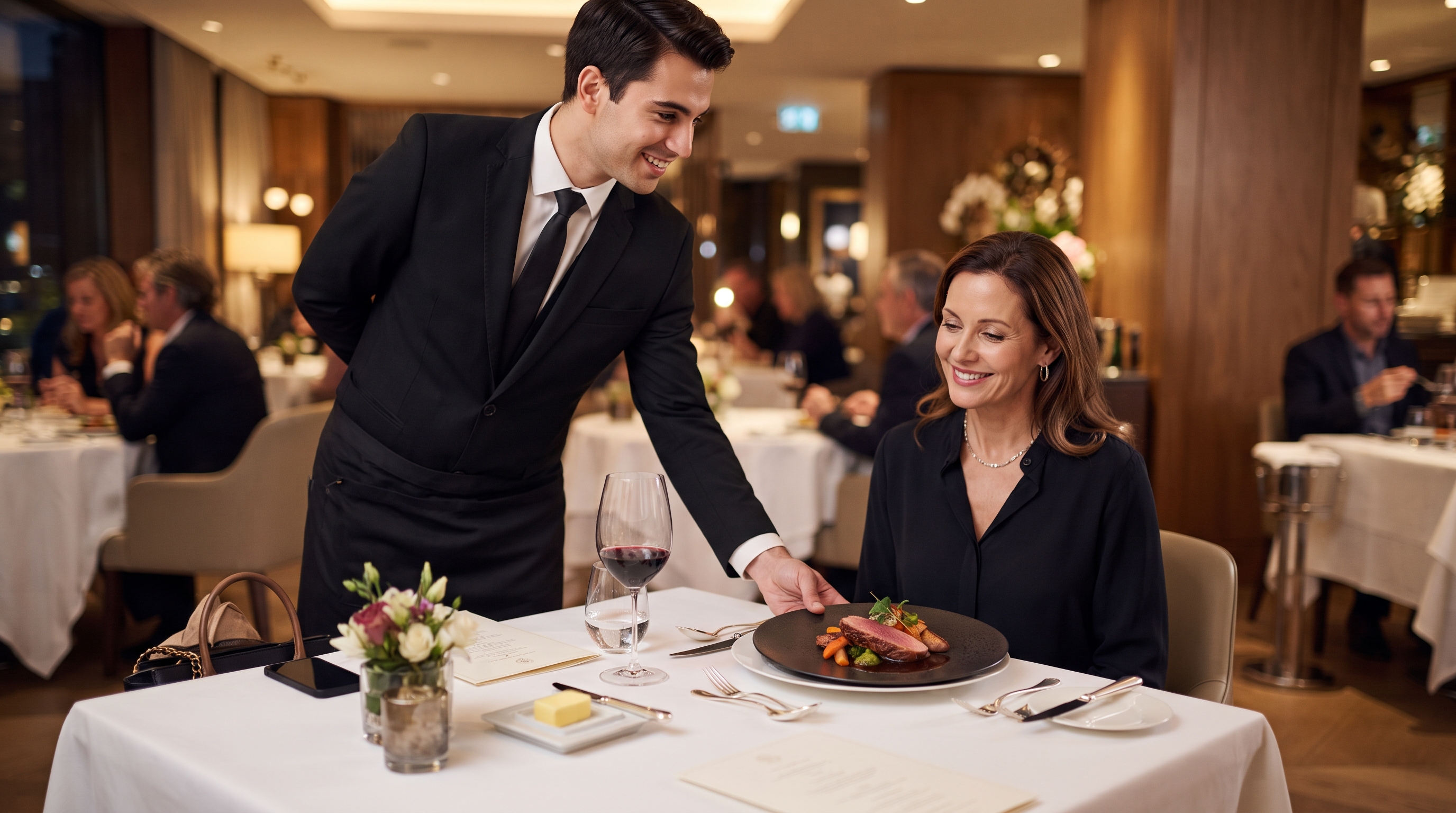
This module should cover table setting standards, order-taking procedures, service sequencing, hygiene and presentation requirements, and handling guest complaints in dining settings. Given Lagos's active events and banquet industry, a strong curriculum also touches on buffet and banquet service differences, preparing students for the large-scale event work common in bigger hotels.
Guest Relations
Guest relations training should go beyond basic customer service, covering complaint resolution frameworks, handling VIP guests, understanding guest psychology and expectations, and building the foundation for loyalty and repeat business. This module often overlaps meaningfully with CRM principles, understanding how guest data and preferences inform personalized service.
Revenue Management
This is where many hospitality courses fall short, either skipping revenue management entirely or covering it only superficially. A complete curriculum should teach core concepts like occupancy rate, average daily rate (ADR), and revenue per available room (RevPAR), dynamic pricing strategy, and how seasonal demand patterns should influence pricing decisions. Even for students not targeting revenue management roles specifically, understanding these fundamentals makes you a stronger candidate for any hotel position, since every role connects back to occupancy and profitability.
OTA/Channel Management
Given how central online booking platforms have become to Nigerian hotels and short-let properties, this module deserves dedicated attention rather than a brief mention. It should cover how major OTAs like Booking.com, Expedia, and Airbnb operate, rate parity requirements, listing optimization, and how to manage inventory and pricing across multiple channels simultaneously without conflicts.
Property Management Systems (PMS) Training
Hands-on training with actual PMS software, specifically systems like Opera and Cloudbeds that are widely used across Nigerian hotels, is non-negotiable in a curriculum that wants to produce genuinely job-ready graduates. This should include navigating reservations, processing check-ins and check-outs, managing billing and folios, and understanding how PMS integrates with channel management tools.
Hospitality Marketing
This module should cover how hotels attract and retain guests, including digital marketing basics, social media presence for hospitality businesses, loyalty program strategy, and how CRM data informs targeted marketing campaigns. For students interested in marketing-adjacent hospitality roles, this module also introduces broader brand positioning concepts relevant to Nigeria's competitive hotel market.
Budgeting and Cost Control
Understanding basic hospitality financials, departmental budgeting, cost control strategies for housekeeping and F&B departments, and how operational decisions affect profitability, prepares students for supervisory and management-track roles, not just entry-level positions. This module is particularly valuable for students with ambitions beyond front-line roles.
Career Preparation
A curriculum that ends at technical skills without addressing job search strategy leaves graduates underprepared for the actual hiring process. This component should cover hospitality-focused CV and cover letter writing, interview preparation for common hospitality scenarios, and guidance on navigating Lagos's hospitality job market specifically.
The Internship Component
Perhaps the single most important element separating strong hospitality curricula from weak ones is whether a real internship is included. Classroom learning, even excellent classroom learning, cannot fully replace the experience of applying these skills in an actual hospitality environment, handling a real guest complaint, navigating a live PMS system under time pressure, or coordinating an actual F&B service shift. A curriculum without this component leaves graduates having to gain this experience the hard way, on the job, often at the cost of early mistakes and slower career progression.
How VAA Global's Curriculum Is Structured
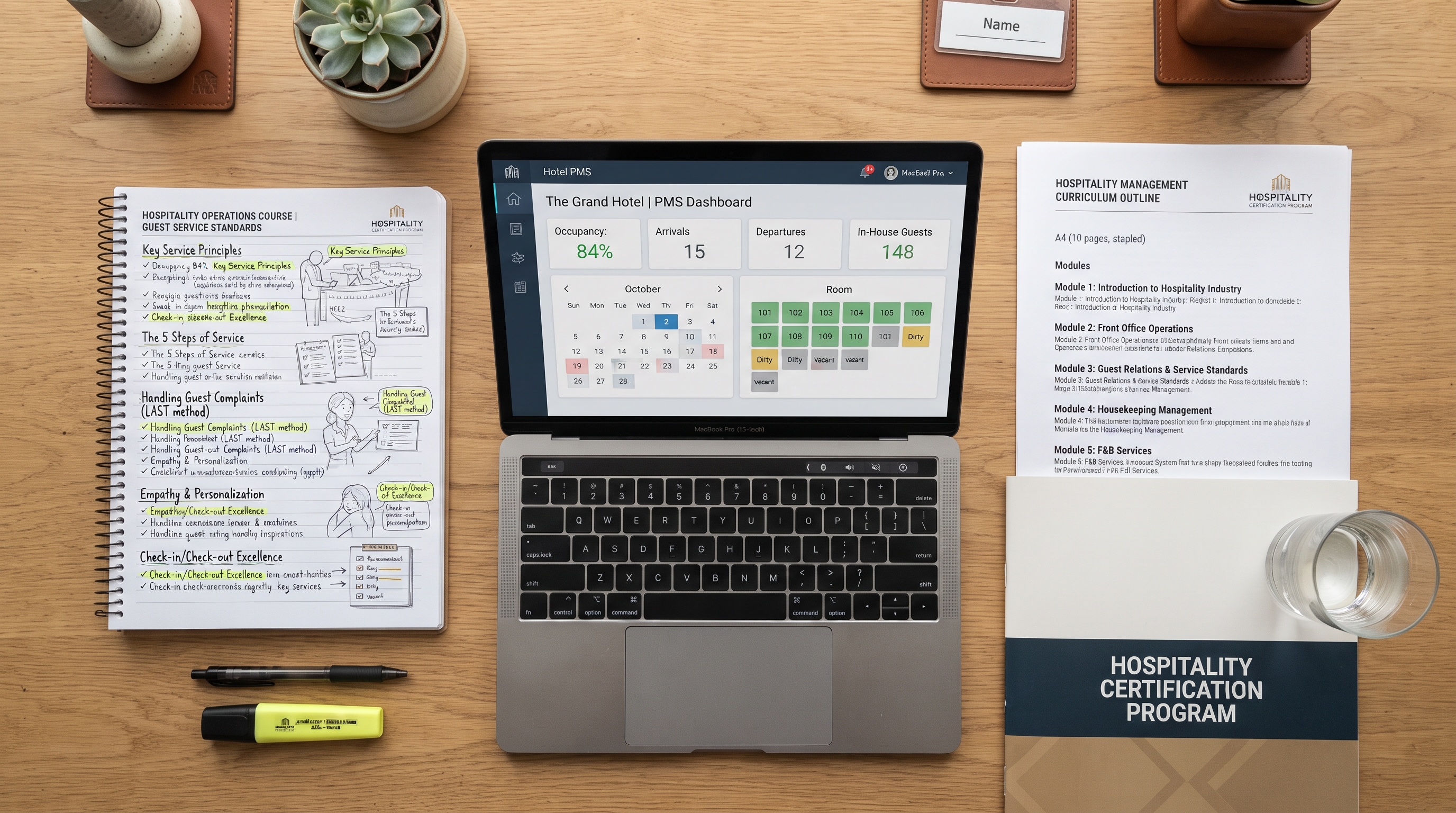
VAA Global's Hospitality Management course delivers all of the above across 10 focused weeks, fully online, for ₦150,000. The curriculum sequence builds logically: starting with front office operations and housekeeping standards as foundational skills, moving through food and beverage service and guest relations, then into the more specialized areas of revenue management, OTA/channel management, and PMS training, before covering hospitality marketing, budgeting and cost control, and finishing with dedicated career preparation. Throughout the program, students complete a real internship, ensuring the curriculum translates into genuine, referenceable hands-on experience by graduation.
This structure reflects direct feedback from Lagos hotel employers about what new hires consistently lack, and is designed so that graduates leave not just with theoretical knowledge, but with a certificate of completion and real experience that hiring managers can trust.
Ready to see the full curriculum and start your hospitality career? Visit the Hospitality Management course to enroll in VAA Global's Hospitality Management course.