Two Terms Hospitality Professionals Often Confuse
Walk into any hospitality training session in Lagos or Abuja and you'll hear "customer service" and "guest experience" used as if they mean the same thing. They don't — and understanding the difference is one of the clearest signs of hospitality management maturity, whether you're running a hotel, managing a serviced apartment, or building a career in guest relations.
Customer service is reactive. It is what happens when a guest asks a question, raises a complaint, or needs help. Guest experience is proactive. It is the sum of every interaction, environment, and emotion a guest encounters — designed intentionally, long before that guest ever walks through the door.
Defining Customer Service in Hospitality
Customer service refers to the direct, often transactional interactions between staff and guests: answering the phone at reception, resolving a billing dispute, delivering room service on time, or fixing a broken air conditioner promptly. Good customer service is polite, efficient, and solves the guest's immediate problem.
Most hospitality training historically focused almost entirely here — teaching staff scripts for greeting guests, handling complaints, and following service standards. This is necessary, but it is only one layer of what actually determines whether a guest returns or recommends your property to others.
Defining Guest Experience
Guest experience is broader and more strategic. It covers the entire journey: how easy it was to find and book the room (often through an OTA or the hotel's own website), what the guest felt walking into the lobby, whether the check-in process felt smooth or bureaucratic, how the room smelled and looked, whether staff remembered a returning guest's preferences, and how the guest felt when they finally checked out — including whether any issue along the way was resolved gracefully.
Guest experience is designed, not improvised. It involves marketing, front office operations, housekeeping standards, food and beverage service, and even revenue management (a guest who feels overcharged relative to perceived value has a poor experience, regardless of how polite the front desk was).
Why the Distinction Matters for Hotels
A hotel can have excellent customer service — friendly, responsive staff — and still deliver a mediocre guest experience if the room was not properly cleaned, the Wi-Fi was unreliable, or the booking process on the OTA listing did not match reality. Conversely, a hotel with a beautifully designed guest experience but poor customer service in the moment of a problem will still lose guests, because how a hotel handles a failure often matters more than the failure itself.
The most successful properties — whether a five-star hotel in Victoria Island or a boutique guesthouse in Ibadan — treat these as two connected disciplines. Customer service is the safety net, catching and resolving problems well. Guest experience is the architecture, designed to minimize how often that safety net is needed in the first place.
Practical Examples: Side by Side
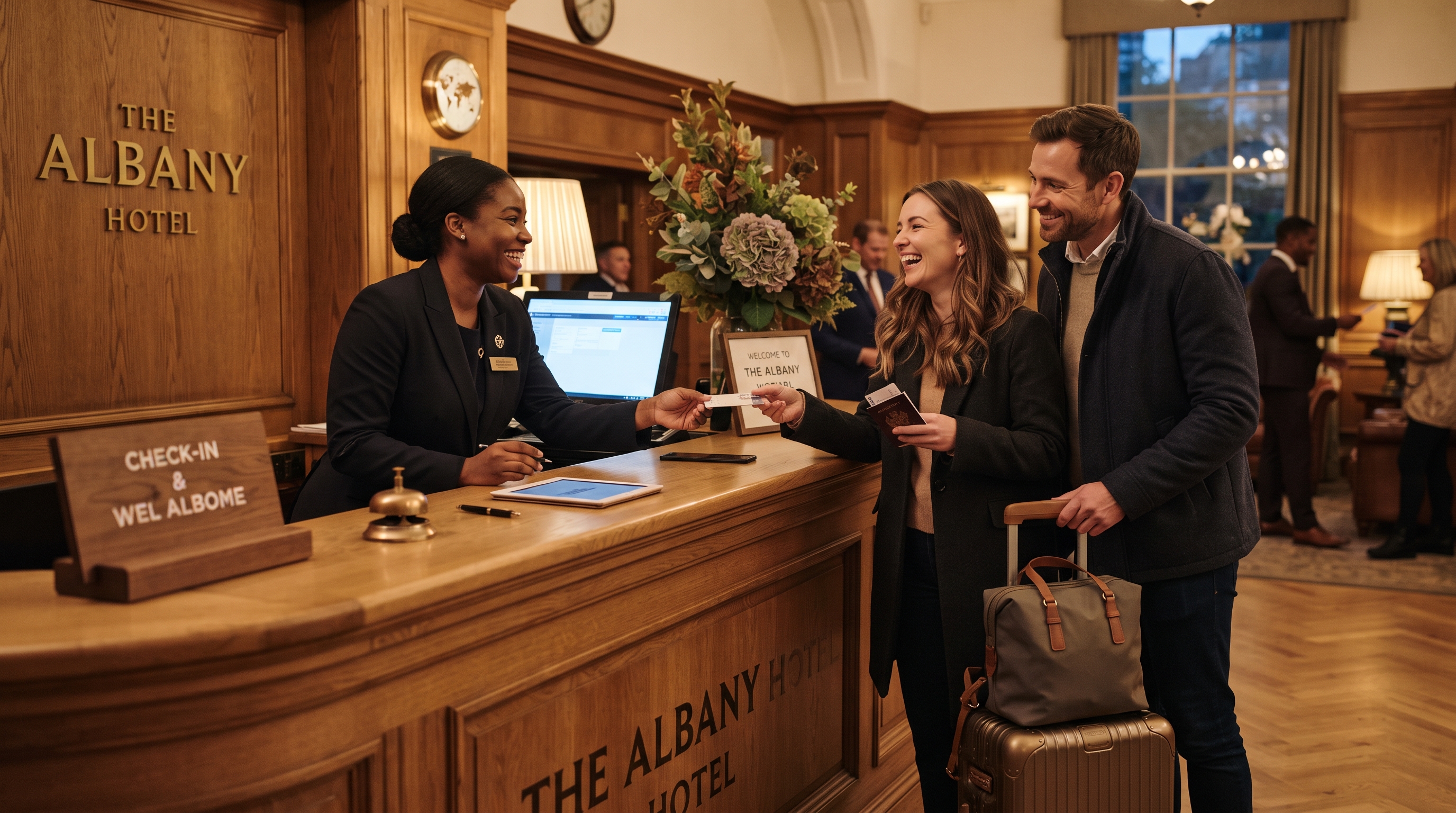
Consider check-in. Customer service means the receptionist is polite, quick, and helpful if there's an issue with the reservation. Guest experience means the guest received a confirmation message the day before, was greeted by name, offered a welcome drink, and had their room ready exactly on time — so there was no issue to handle in the first place.
Consider a guest complaint about noise. Customer service means staff apologize and offer a room change. Guest experience means the hotel's room allocation system was designed from the start to avoid placing families or light sleepers near event spaces or elevators.
Building Guest Experience Into Hospitality Operations
Strong guest experience design touches nearly every department:
Front office: smooth, personalized check-in and check-out processes
Housekeeping: consistent cleanliness standards that guests notice even when nothing is "wrong"
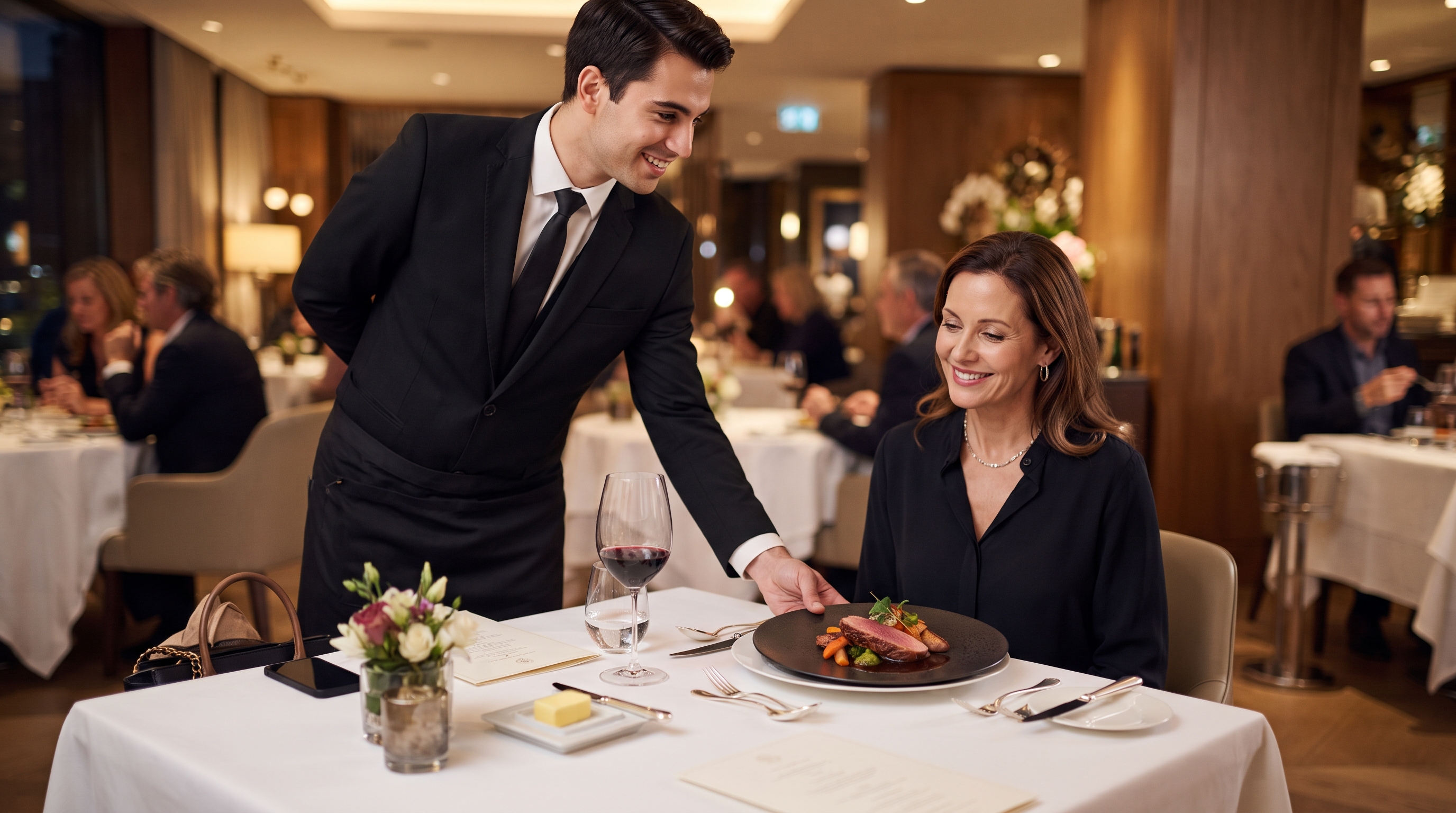
Food and beverage: service that matches the property's brand and guest expectations
Revenue management and OTA listings: accurate expectations set before arrival, so reality matches promise
Guest relations: proactively checking in with guests during their stay, not just responding when summoned
Why This Matters for Your Hospitality Career
Employers across Nigeria's hospitality sector — hotels, serviced apartments, event centers, and increasingly the short-let/Airbnb management space — are actively looking for people who understand guest experience as a discipline, not just staff who can be polite on demand. This distinction shows up in job interviews, in how guest relations roles are structured, and in which candidates get promoted into management.
Learning to think in terms of full guest journeys, rather than isolated service interactions, is exactly the kind of skill that separates entry-level hospitality staff from future managers.
Want to build guest experience skills that employers actually notice? VAA Global's 10-week, fully remote Hospitality Management course covers guest relations, front office operations, and service design in depth, backed by a real internship. Explore the Hospitality Management course.