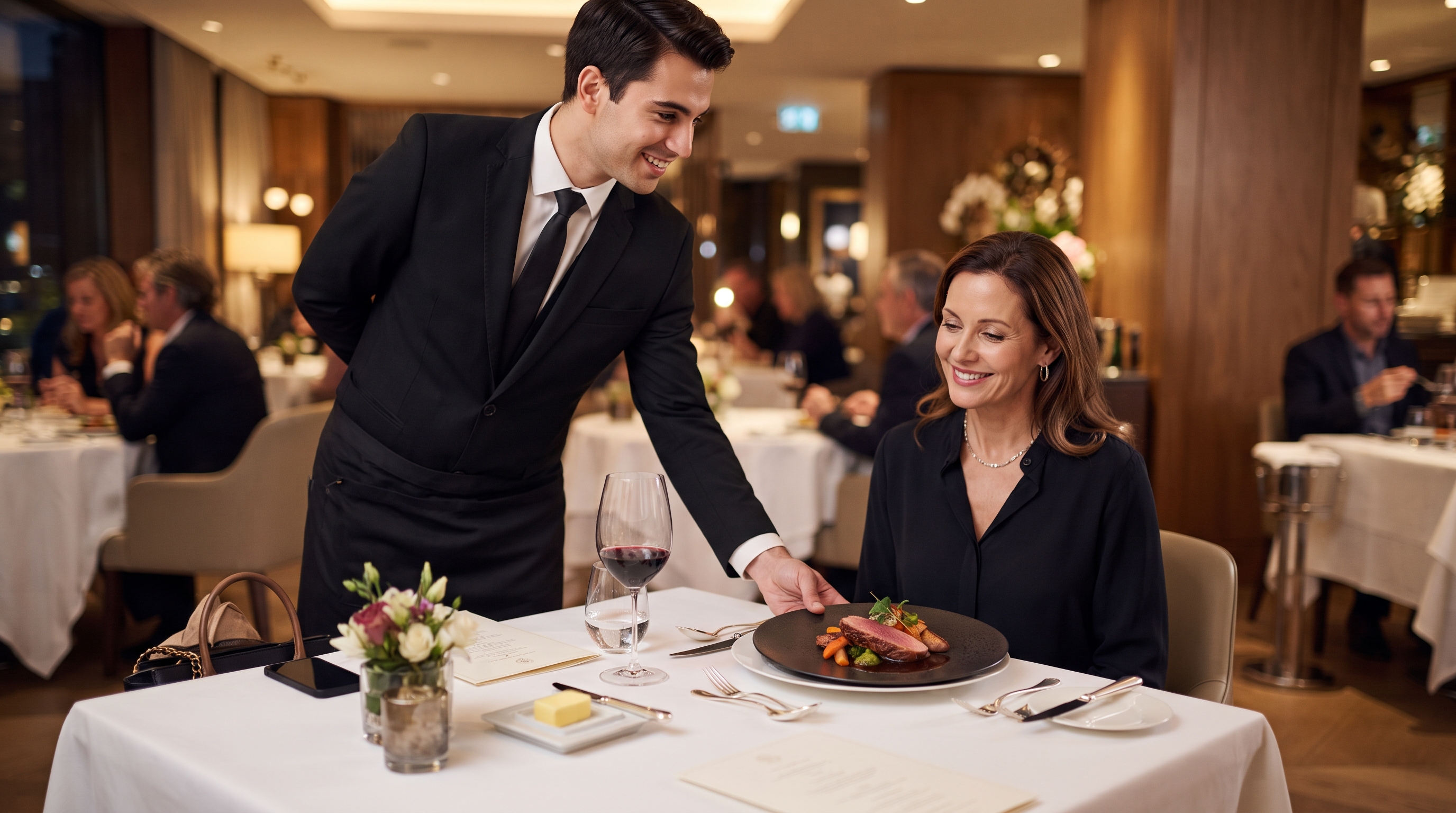
If you've ever stayed at a hotel and been greeted by name, offered your usual room type, or remembered for a dietary preference from your last visit, you've experienced CRM in hospitality in action. Customer Relationship Management is one of the most important, and most misunderstood, concepts in modern hotel operations. Here's what it actually means and why it matters for anyone building a hospitality career.
What CRM Actually Means in Hospitality
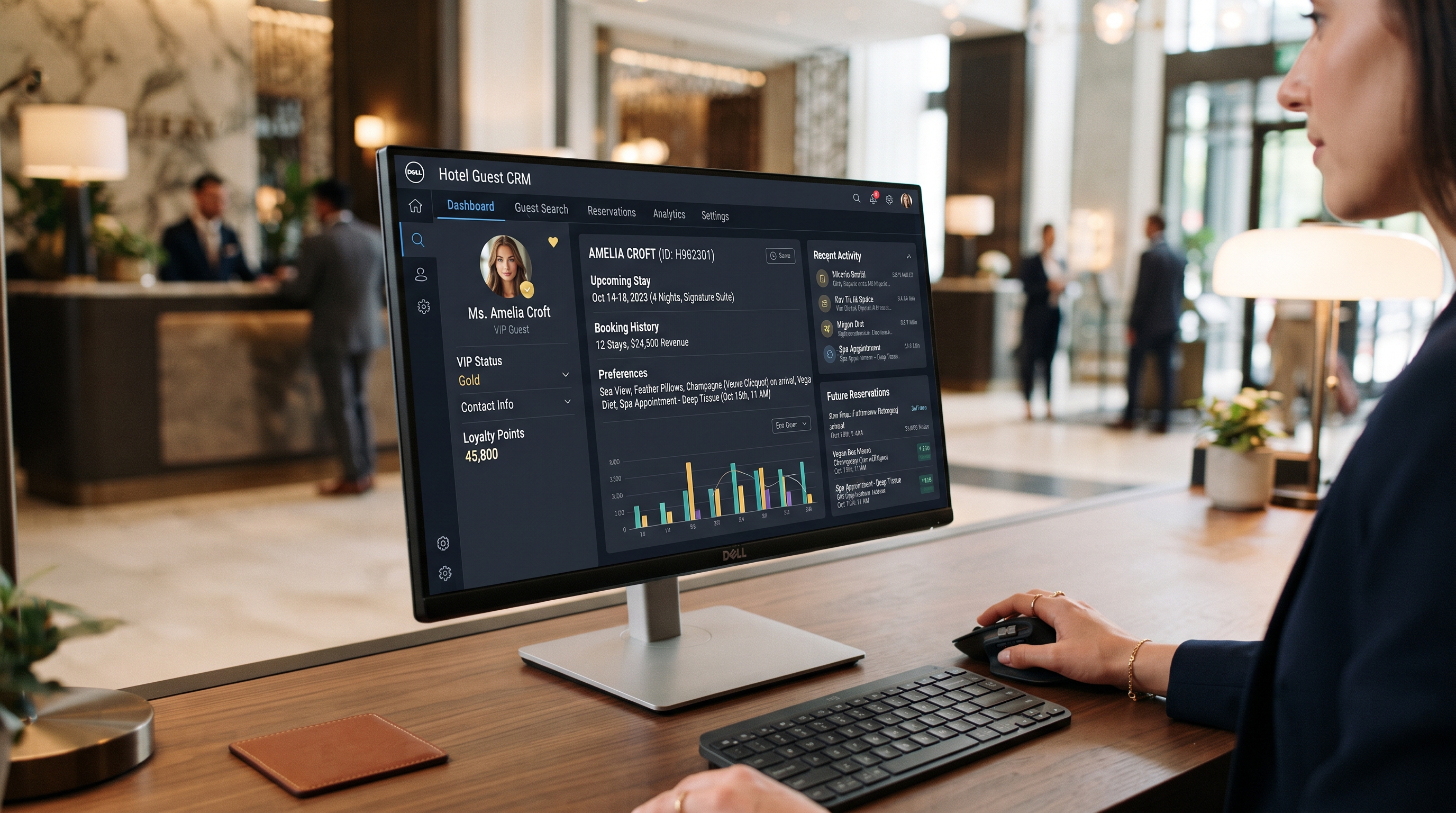
CRM in hospitality refers to the systems, processes, and strategies hotels use to manage relationships with guests before, during, and after their stay. This includes collecting guest data (contact information, stay history, preferences, special occasions), storing it in a centralized system, and using that information to personalize service and communication. The goal isn't just data collection for its own sake; it's using that data to make guests feel recognized and valued, which directly drives loyalty, repeat bookings, and positive reviews.
Why CRM Matters So Much in Hotels
Hospitality is a relationship-driven business. Guests have countless hotel options, especially in a competitive market like Lagos, and the properties that win repeat business are the ones that make guests feel remembered and understood. A guest who receives a personalized welcome note, is remembered for requesting a high floor room, or gets a birthday acknowledgment during their stay is far more likely to book directly again rather than shopping around on OTAs next time. This directly impacts a hotel's bottom line by reducing dependency on commission-charging booking platforms and increasing direct, repeat revenue.
Core Components of Hotel CRM Systems
Guest profiles form the foundation of any CRM system, centralizing contact details, stay history, room preferences, dietary restrictions, and special occasions like anniversaries or birthdays. Communication tools allow hotels to send personalized pre-arrival emails, in-stay offers, and post-stay follow-ups or review requests. Loyalty program management tracks points, tiers, and rewards for repeat guests, encouraging direct bookings over third-party platforms. Segmentation and targeting groups guests by behavior, business travelers, families, honeymooners, allowing hotels to tailor marketing and offers to each segment more effectively. Many modern PMS platforms, including Opera and Cloudbeds, now integrate CRM functionality directly, linking guest history and preferences to the same system used for reservations and billing.
How Front-Line Staff Use CRM Day to Day
CRM isn't just a marketing department tool, it directly shapes how front office and guest relations staff work daily. A front desk agent checking a returning guest's profile before they arrive can proactively offer their preferred room type. A guest relations officer handling a complaint can see the guest's full stay history and loyalty tier, informing how they respond and what they offer as resolution. Restaurant staff can be alerted to dietary restrictions or allergies noted in a guest's profile before they even order. This is why understanding CRM principles isn't just relevant for hotel managers and marketers, it's a practical skill for anyone working in guest-facing hospitality roles.
CRM and OTA/Channel Management
CRM and OTA/channel management are closely linked. While OTAs like Booking.com and Expedia bring in guests, they also control the guest relationship at the point of booking, often limiting the hotel's direct access to guest contact information. A strong CRM strategy helps hotels capture guest data during the stay itself (through registration, loyalty sign-ups, and direct communication) so they can build a direct relationship independent of the OTA for future bookings. This reduces long-term reliance on commission-based channels and increases profitability, making CRM knowledge valuable for anyone working toward revenue management or OTA/channel management roles.
CRM's Role in Hospitality Marketing
Hospitality marketing and CRM work hand in hand. Personalized email campaigns, targeted promotions for returning guests, and loyalty program communications all rely on CRM data to be effective. A generic marketing blast to every past guest performs far worse than a segmented campaign, for example, offering a spa package to guests who previously booked wellness services, or a family package to guests who stayed with children. Understanding this connection between guest data and marketing effectiveness is an increasingly valuable skill in Lagos's competitive hospitality market, where properties are constantly competing for the same pool of local and international travelers.
Common CRM Mistakes Hotels Make
Even properties with CRM software in place often underuse it. Common mistakes include collecting guest data but never actually using it to personalize service, sending generic, untargeted marketing messages instead of segmented campaigns, failing to train front-line staff to check and update guest profiles consistently, and treating CRM as purely a technology problem rather than a staff training and culture issue. This is exactly why hospitality management training needs to cover CRM principles alongside guest relations and marketing, not as a separate, purely technical topic.
Building CRM Skills as a Career Advantage
Understanding CRM in hospitality gives you a real edge whether you're aiming for a guest relations role, a front office position, or eventually a hospitality marketing or revenue management career. It shows you understand the bigger picture: that every guest interaction is both a service moment and a data point that can improve future service and drive business results.
VAA Global's Hospitality Management course integrates CRM concepts within its guest relations and hospitality marketing modules, teaching students not just what CRM is, but how to apply it practically, from using guest profile data at the front desk to understanding how loyalty programs and personalized marketing drive repeat business. Combined with the course's real internship component, students graduate understanding CRM as a practical, everyday hospitality skill, not just an abstract business concept.
Ready to understand how CRM drives guest loyalty and hospitality careers? Visit the Hospitality Management course to enroll in VAA Global's Hospitality Management course.