Nigeria's short-let market has exploded. Walk through Lekki, Ikoyi, Yaba, or Wuse 2 and you'll find hundreds of apartments listed on Airbnb, Booking.com, and local platforms, run by everyone from side-hustling landlords to full-time property managers. But there's a wide gap between short-lets that get five-star reviews and repeat bookings, and those that struggle with inconsistent guests, bad reviews, and unpredictable income. The difference almost always comes down to one thing: whether the owner is running it like a proper hospitality business, or just renting out a spare apartment.
Here's how to close that gap by borrowing directly from hotel management standards.
Standardize Your Housekeeping Like a Hotel Does
Hotels don't leave room cleanliness to chance — they use detailed housekeeping checklists that every staff member follows the same way, every time. Short-let owners should do the same:
Create a written checklist covering every room: bed linens changed, bathroom sanitized, kitchen surfaces wiped, trash emptied, toiletries restocked, air conditioner filters checked.
Assign a specific person accountability for each checklist, with sign-off before a guest arrives.
Do a final walkthrough inspection before every check-in, not just after checkout cleaning.
This single change — moving from "I told the cleaner to clean" to a documented, verifiable checklist — is often the biggest driver of review score improvement for short-lets.
Treat Guest Communication as a Service Standard, Not an Afterthought
Hotels have front office staff trained specifically in guest communication: fast response times, professional tone, and clear information at every stage. Short-let owners can replicate this with a simple communication protocol:
Respond to booking inquiries within 1 hour where possible — OTAs like Airbnb factor response time into your listing ranking.
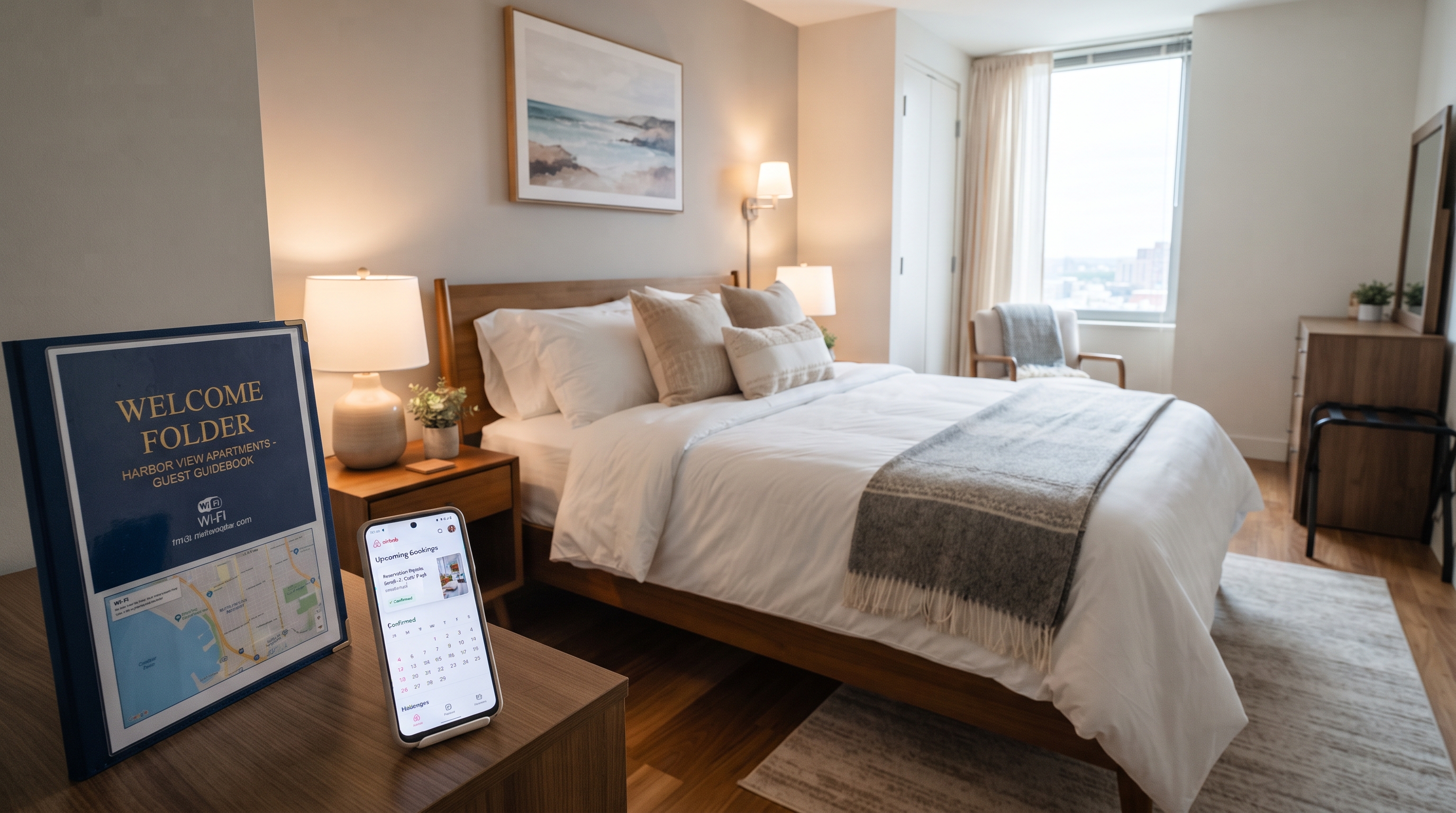
Send a pre-arrival message with check-in instructions, WiFi details, and local recommendations 24 hours before arrival.
Have a clear, polite process for handling complaints, with a designated escalation contact.
Follow up after checkout to request a review, the same way hotels use post-stay surveys.
Use Channel Management the Way Hotels Manage Distribution
Hotels rarely rely on just one booking channel — they manage inventory and pricing across multiple channels (direct bookings, OTAs, corporate contracts) simultaneously, using a PMS to avoid double-bookings and to adjust pricing dynamically. Short-let owners should:
List across multiple OTAs (Airbnb, Booking.com, local platforms) while syncing calendars to prevent double bookings.
Adjust pricing based on demand patterns — higher rates during Lagos events, Detty December, or major conferences; competitive rates during slow periods.
Build a direct booking channel (WhatsApp Business, Instagram, or a simple website) for repeat guests, reducing OTA commission costs over time.
Apply Budgeting and Cost Control Like a Hotel Finance Team
Many short-let owners track revenue but not true profitability. Borrowing from hotel financial discipline means separating fixed costs (rent, subscriptions) from variable costs (cleaning, utilities, OTA commissions), and reviewing actual spend against a monthly budget — as covered in our companion piece on budgeting and cost control for small hotels and short-lets. Without this, a short-let can look "fully booked" while quietly losing money to unmanaged costs.
Train (Even Informal) Staff on Service Standards
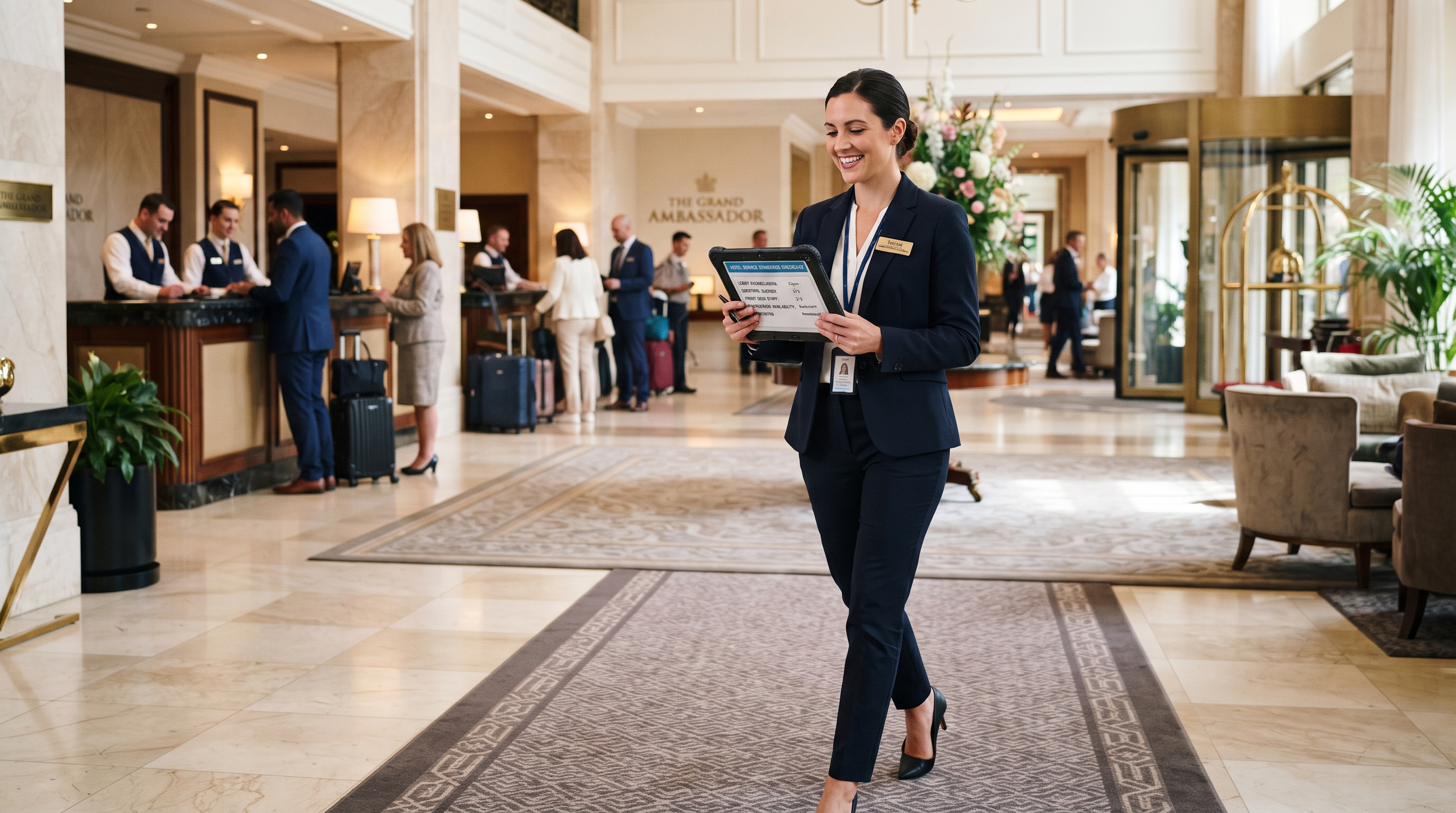
If you employ a caretaker, cleaner, or co-host, treat them the way a hotel treats front-line staff: give them a written standard operating procedure, not just verbal instructions. This includes how to greet guests, how to handle a maintenance issue, and how to communicate professionally. Consistency across every guest interaction — regardless of who's on duty — is what builds a trustworthy brand.
Use a Guest Experience Audit Regularly
Just as hotels conduct service audits, short-let owners should periodically walk through their own property as if they were a guest, checking every touchpoint from booking confirmation to checkout. This proactive habit catches small problems (a slow WiFi router, a confusing entry process) before they show up in a public review.
Invest in Basic Hospitality Marketing
Hotels don't just wait for guests to find them — they actively manage their online reputation, respond to every review, and maintain professional photography and listing descriptions. Short-let owners should treat their OTA listings the same way a hotel treats its brand: professional photos, accurate descriptions, prompt review responses (even to negative ones), and consistent branding across platforms.
The Payoff: Why This Matters
Short-lets that adopt these hotel-grade systems consistently outperform informal competitors on review scores, occupancy rates, and repeat bookings — which directly translates into higher and more stable income. In a market as competitive as Lagos short-lets, professionalism is now a genuine differentiator, not just a nice-to-have.
If you want to build these skills properly — housekeeping standards, PMS tools, revenue management, budgeting, and hospitality marketing — VAA Global's 10-week Hospitality Management course covers all of it, with a real internship component to practice what you learn. Explore the Hospitality Management course.