
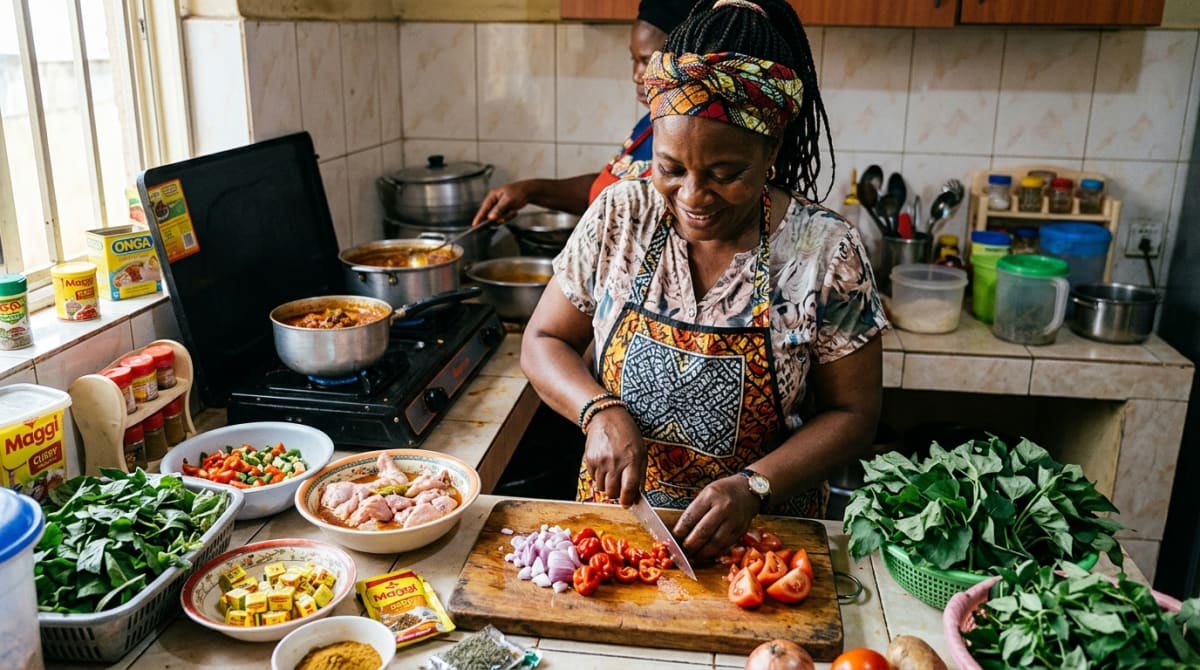
Starting a food business in Nigeria is one of the most practical ways to become an entrepreneur because food is a daily necessity. From catering and small chops to meal delivery, snacks, baking, and restaurant businesses, there are multiple opportunities for Nigerians to build profitable food brands. However, starting a successful food business requires more than knowing how to cook. You need to understand your customers, pricing, operations, marketing, and how to turn your skills into a sustainable business.
At VAA Global's Business School for Artisans, we help entrepreneurs build practical business skills needed to start and grow food businesses. Our Food and Hospitality Business Programme is designed for entrepreneurs who want to move beyond just selling food and build structured, profitable businesses that generate consistent revenue.
In this guide, you will learn how to start a food business in Nigeria, the best food business ideas with realistic startup costs, proven strategies to get your first customers, and actionable steps to scale your business from day one.
Why Start a Food Business in Nigeria?
The food industry remains one of the most active business sectors in Nigeria because people buy food every day. Whether you operate from home, sell online, supply offices, or open a physical location, there is always demand for food products and services.
Some key reasons food businesses perform well include:
- Consistent customer demand — People eat daily, creating reliable revenue
- Ability to start small — Home-based operations keep initial costs low
- Multiple business models — Catering, delivery, baking, snacks all work
- Repeat customers — Food builds loyalty when quality is consistent
- Opportunity to scale — Easy to grow from home kitchen to commercial space
Small and medium businesses contribute significantly to Nigeria's economy, and entrepreneurs looking for SME support can explore resources from Nigeria's official SME development agency. SMEDAN Official Website
Food Business Ideas You Can Start in Nigeria With Low Capital
Before starting, choose a food business model that matches your skills, budget, and target customers. Here are the most profitable options:
Catering Business
Catering is one of the most popular food businesses in Nigeria because events happen constantly.
You can provide food for:
- Weddings and engagements
- Corporate events and business meetings
- Birthdays and celebrations
- Private family gatherings
- Conferences and seminars
Many caterers start from home before expanding into professional kitchens. This is a scalable business model where word-of-mouth and referrals drive growth.
Small Chops and Snack Business
Small chops remain highly demanded for events, offices, and personal orders. Products include:
- Puff puff
- Spring rolls
- Samosa
- Meat pies
- Chin chin
- Cakes and pastries
This is a good option for entrepreneurs starting with low capital because ingredients are affordable and production is flexible.
Meal Delivery Business
Busy professionals, students, and families increasingly need convenient meal solutions. A meal delivery business can focus on:
- Daily lunch delivery to offices
- Weekly meal plans for busy families
- Healthy meals and diet-specific options
- Specialty cuisines (Continental, Asian, etc.)
The key to success in meal delivery is consistency, food quality, and reliable delivery timing.
Baking Business
Baking is another profitable food business idea in Nigeria with high margins. You can specialize in:
- Custom cakes for events
- Pastries and croissants
- Artisanal bread
- Desserts and confectionery
A strong brand, professional packaging, and smart online marketing can help you attract customers willing to pay premium prices.
How Much Does It Cost to Start a Food Business in Nigeria?
The cost depends on the type and scale of business.
A small home-based food business can start with approximately ₦20,000 – ₦100,000
This covers:
- Quality ingredients for initial batches
- Food-safe packaging materials
- Basic kitchen equipment
- Initial marketing and advertising
- Transport and delivery costs
A larger catering or restaurant business requires more capital because of commercial kitchen equipment, rent deposits, staff salaries, and operational expenses.
The smartest approach for beginners is to start small, test customer demand, and reinvest profits into growth. This strategy reduces risk and helps you validate your business model before scaling.
Step-by-Step: How to Start a Food Business in Nigeria
Step 1: Choose Your Food Business Niche
Do not try to sell everything at once. A focused business is easier to market and operate.
Choose a specific category:
- Nigerian meals (jollof, pepper soups, main dishes)
- Snacks and small chops
- Cakes and baked goods
- Healthy meals and diet foods
- Event catering services
- Office lunch delivery
When you specialize, customers remember you, and marketing becomes more effective.
Step 2: Understand Your Target Customers
Successful food businesses deeply understand who they are serving. Ask yourself:
Who buys my food?
- Students looking for affordable, quick meals?
- Corporate workers needing office lunches?
- Families wanting home delivery solutions?
- Event planners and organizations?
- Individual consumers at markets or online?
Your target customers determine your pricing strategy, packaging design, and marketing channels. Understanding them is critical to success.
Step 3: Create a Simple Business Plan
A food business plan helps you understand:
- Your startup costs and where money will go
- How much to charge for each product
- Where and how you'll source ingredients
- Which marketing channels will reach customers
- Your realistic profit projections
You do not need a complicated 50-page document. You need a clear roadmap showing your path to profitability. Entrepreneurs who want stronger foundations in business planning, financial management, and growth strategies can explore VAA Global's SME Business Tracks for comprehensive training.
Step 4: Calculate Your Food Pricing Correctly
Many food businesses fail because owners do not calculate costs properly.
Your pricing should consider:
- Ingredients cost — What you pay for raw materials
- Packaging — Containers, labels, bags (often underestimated)
- Transport and delivery — Cost to get products to customers
- Labour — Your time and any staff costs
- Profit margin — Your actual earnings after all costs
Selling cheaper does not always mean making more money. In fact, underpricing can kill your business. A profitable food business needs proper pricing strategy based on real numbers.
Step 5: Build Your Brand
Your brand affects how customers perceive your business and their willingness to pay.
Focus on:
- Business name — Easy to remember and spell
- Professional packaging — Reflects quality and care
- Food presentation — Photos that make people want to buy
- Customer experience — Reliability, quality, friendliness
- Online presence — Website or social media showing your story
People do not only buy food. They buy trust, quality, and the experience of working with you.
Step 6: Market Your Food Business Strategically
Marketing is what brings customers to your door. Effective channels for food businesses include:
WhatsApp Marketing:
- Create product catalogues showing your offerings
- Build customer groups for repeat buyers
- Use broadcast lists for weekly specials
Social Media Marketing:
- Use Instagram and TikTok to showcase food photos and behind-the-scenes content
- Post customer reviews and testimonials
- Share cooking tips and food stories
- Post consistently (3–4 times per week)
Referral Programs:
- Happy customers can become your biggest marketing channel
- Offer discounts for customer referrals
- Provide excellent service to encourage word-of-mouth
Common Mistakes Food Entrepreneurs Make (And How to Avoid Them)
- Starting Without Knowing Their Numbers
Many entrepreneurs focus only on cooking and ignore profit calculations. This leads to underpricing and unsustainable businesses. Calculate your costs before you launch.
- Poor Customer Service
Food quality matters, but customer experience determines repeat purchases. Be responsive, reliable, and friendly.
- Trying to Serve Everyone
A clear target market helps your business grow faster than trying to appeal to everyone. Focus on one customer type.
- Ignoring Marketing
A great product without visibility will struggle to attract customers. Dedicate time to social media and customer outreach.
- Inconsistent Quality
One bad meal ruins your reputation. Maintain consistent quality every time.
Essential Skills You Need to Run a Successful Food Business
Running a food business requires more than cooking skills. You need:
- Business planning — Creating strategies that work
- Financial management — Tracking money and profitability
- Marketing — Getting customers consistently
- Customer service — Building loyalty and repeat business
- Operations management — Running smooth daily operations
- Branding — Creating a memorable business identity
This is why structured business education can help entrepreneurs avoid common mistakes and build sustainable businesses. VAA Global's Food and Hospitality Business Programme teaches practical skills entrepreneurs need to build and grow food businesses that generate real income.
Frequently Asked Questions
What food business can I start with ₦50,000 in Nigeria?
With ₦50,000, you can start small food businesses such as snacks, small chops, home meal delivery, baking, or food reselling. Start with a focused product, validate demand through your network, and grow gradually as customers increase.
Is food business profitable in Nigeria?
Yes, food businesses can be very profitable because food has consistent daily demand. However, profitability depends on proper pricing, customer retention, quality control, and sound business management. Many food entrepreneurs fail due to poor pricing or underestimation of costs.
How can I get customers for my food business?
You can get customers through WhatsApp marketing, Instagram and TikTok content, referrals from satisfied customers, partnerships with offices or event planners, and consistent excellent customer service.
How do I register my food business in Nigeria?
Register your business with the Corporate Affairs Commission (CAC), obtain necessary health permits from your local government, and follow food safety regulations. Check with your local government health department for specific requirements.
Final Thoughts: Start Your Food Business Journey Today
Learning how to start a food business in Nigeria is the first step. Building a profitable food brand requires the right strategy, systems, and business knowledge.
Start small, understand your customers, price correctly, market consistently, and focus on creating a food business people trust and recommend to others.
If you want to build the comprehensive skills required to launch and grow your food business successfully, explore VAA Global's Food and Hospitality Business Programme and start building your entrepreneurial journey today.